
Face-to-face
Swahili interpreters on site for appointments, hearings and meetings.
Swahili (Kiswahili) is the most widely used language of East Africa, spoken as a first language along the coast and as a shared second language by millions across the region. SILA Linguists® provides Swahili interpreters and translators who understand the differences between its regional forms.
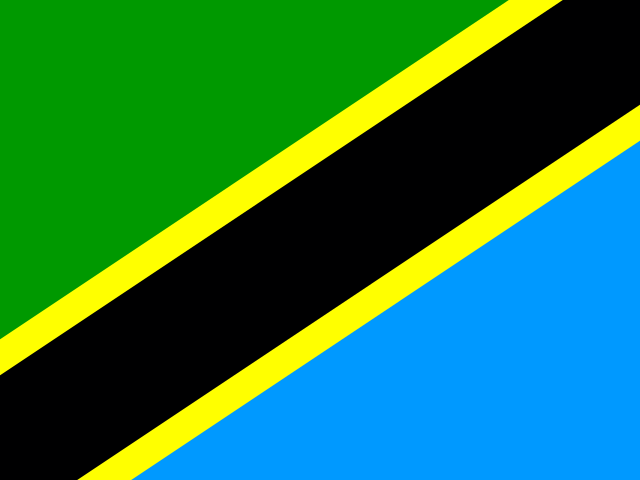
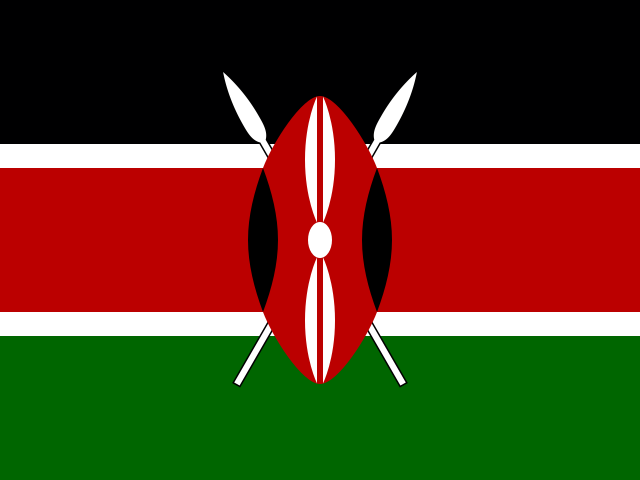
Kiswahili
swaSwahili is a Bantu language with a long history as a language of trade on the East African coast, which explains its many loanwords from Arabic and, to a lesser degree, Farsi, Portuguese, English and German. Today it is a national and official language of Tanzania and Kenya, an official language of Uganda, and a working language of the East African Community and the African Union. In the Democratic Republic of the Congo it is one of four national languages and is widely used in the east of the country.
Most people who speak Swahili learnt it alongside another first language, such as Sukuma, Kikuyu, Kinyarwanda or Kirundi. This matters for interpreting: a speaker's Swahili may be fluent for everyday use but less comfortable for medical or legal detail, and their accent and vocabulary will reflect where they grew up.
Standard Swahili is based on the Kiunguja dialect of Zanzibar. Tanzanian usage is generally regarded as closest to that standard. Kenyan Swahili mixes more readily with English, and urban speech in Nairobi includes Sheng, a fast-changing youth register. Congolese Swahili (sometimes called Kingwana) has its own vocabulary and borrows from French and Lingala, and can be hard for East Coast speakers to follow at first.
Communities abroad are not shown. Point to an area to see its name.
Swahili interpreters on site for appointments, hearings and meetings.
Secure video interpreting when people are in different places.
Telephone interpreting 24 hours a day, 365 days a year.
Certified Swahili translation accepted by UK authorities.
Swahili, or Kiswahili, grew as a language of trade on the East African coast and is now national and official in Tanzania and Kenya, official in Uganda, a national language of the Democratic Republic of the Congo and a working language of the East African Community and the African Union. Most speakers learned it alongside another first language. SILA Linguists® provides Swahili interpreters, translators and transcribers to public services, legal teams, development organisations and businesses across the United Kingdom, North America, Australia, New Zealand and beyond, matched to each speaker's country and region.
A person from eastern Congo is usually best served by an interpreter familiar with Congolese Swahili, while a client from Mombasa or Dar es Salaam will be comfortable with coastal or standard Swahili. We also check whether Swahili is the speaker's first language: if not, an interpreter in Kinyarwanda, Kirundi, Lingala or another first language may give a more accurate result. Swahili makes extensive use of respectful greetings and forms of address, and our interpreters handle them gracefully.
We cover asylum, immigration and resettlement casework, hospitals, GP surgeries and mental health services, courts, tribunals and police interviews, and schools and family support services. Interpreting is available in person, by telephone with interpreters ready at any hour, and by video in the SILA Linguists® app or the software you normally use for calls. For development programmes, research meetings and business negotiations in East Africa we provide consecutive, simultaneous and remote simultaneous Swahili interpreting, and a female or male interpreter can be requested for sensitive appointments.
Tanzanian legal and administrative Swahili differs from Kenyan usage, and Congolese documents are more often in French, so we match translators to the target audience. Certified Swahili translation of birth and marriage certificates, school results, court papers and police records comes with our signed accuracy statement, accepted by UK authorities such as the Home Office, courts and universities, and by employers. Older coastal texts in Arabic script are handled by a specialist.
For organisations working in East Africa, we translate contracts, reports, training materials and campaigns, and localise websites, apps and multimedia. AI-assisted translation with human post-editing suits large volumes.
We transcribe Swahili interviews, research recordings, broadcasts and evidence with time references and an English rendering, and subtitle films and media. For asylum applicants whose origin is disputed, language analysis for determining origin (LADO) can distinguish Congolese, Tanzanian and Kenyan Swahili.
Our vetted, trained and qualified Swahili linguists can support immigration and resettlement services, NHS and mental health teams, courts and police, schools, international development agencies, researchers and businesses. One team coordinates every request, and each one is protected by signed confidentiality agreements and UK GDPR.
Choose a language to see its page. Getting the right variety matters: tell us the region or dialect if you know it.
Explore more african languages or see all languages A to Z.
Our bookings team will confirm the details with you and arrange the right linguist. Have the language (and dialect, if you know it), the type of assignment and the date ready.