
Face-to-face
Kurdish Zazaki interpreters on site for appointments, hearings and meetings.
Zazaki is spoken in eastern Turkey and by a large diaspora in Europe. Many speakers identify as Kurds, while linguists usually classify Zazaki as a separate north-western Iranian language. We describe both views and match interpreters by dialect.
Zazakî
zzaZazaki is spoken mainly in eastern Anatolia, in provinces including Tunceli (Dersim), Bingöl, Elazığ, Erzincan and Diyarbakır, and around Siverek, as well as by a sizeable community in Germany and elsewhere in Western Europe. Speakers use several names for it, including Zazaki, Kirmanckî, Dimilkî and Kirdkî.
Linguistic classifications generally treat Zazaki as a north-western Iranian language distinct from Kurdish, often grouped with Gorani. Many Zaza speakers identify as Kurds and regard Zazaki as a Kurdish dialect; others see Zaza identity as distinct. This page uses the name Kurdish Zazaki, which many speakers use, and makes no claim about identity.
Zazaki has two main forms: Northern Zazaki (Kirmanjki), spoken around Tunceli and Erzincan, and Southern Zazaki (Dimli), spoken further south. The two differ noticeably. Zazaki and Kurmanji are not mutually intelligible without exposure, though many Zaza speakers also speak Kurmanji, and almost all speak Turkish.
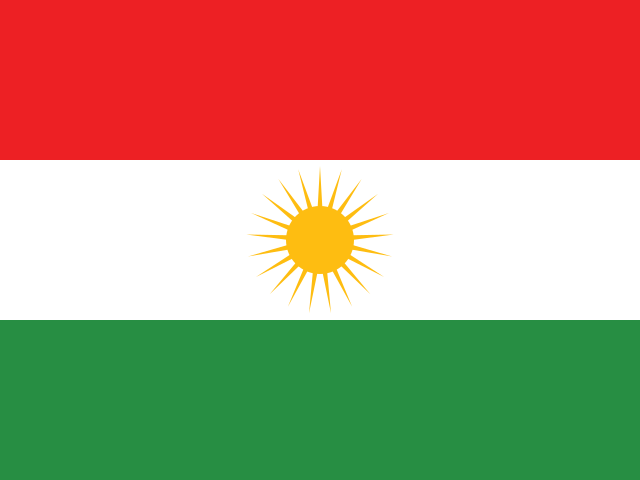
Kurdish flagKurdish Zazaki interpreters on site for appointments, hearings and meetings.
Secure video interpreting when people are in different places.
Telephone interpreting 24 hours a day, 365 days a year.
Certified Kurdish Zazaki translation accepted by UK authorities.
Zazaki is spoken in eastern Anatolia, in Tunceli (Dersim), Bingöl, Elazığ, Erzincan, Diyarbakır and around Siverek, and by a sizeable community in Germany and elsewhere in Western Europe. Speakers call it Zazaki, Kirmanckî, Dimilkî or Kirdkî. SILA Linguists® provides Zazaki interpreters, translators and transcribers for asylum lawyers, clinics and Zaza community and cultural associations in Britain, North America, Australia and New Zealand, and for Zaza communities across Europe. Northern Zazaki differs noticeably from Southern Zazaki, so we ask for the client's home province.
Many Zaza speakers identify as Kurds and others see Zaza identity as distinct; our interpreters make no assumptions either way. What matters in practice is that a Kurmanji interpreter is not a reliable substitute for Zazaki, despite the geographical overlap. We match the Northern (Kirmanjki) or Southern (Dimli) variety to the client. Many Zaza speakers are fluent in Turkish and some prefer it for formal matters, so we ask the client, and we can provide a Turkish interpreter where they choose.
Zazaki interpreters are relatively few, which makes remote interpreting particularly useful: telephone interpreting at any time, and video sessions on the SILA Linguists® app or the platform you already use. Where a Zazaki interpreter can attend in person, we arrange face-to-face interpreting for asylum interviews, hospital and GP appointments, legal consultations and community meetings. Male or female interpreters can be requested.
Zazaki is written in a Latin alphabet similar to the Kurmanji Hawar alphabet, with spelling conventions that vary between publications, so we agree an approach with you and apply it consistently.
Official documents from Turkey, such as population register extracts, birth certificates, court decisions and diplomas, are in Turkish, and our Turkish translators certify them with a signed declaration of accuracy, accepted by UK authorities such as courts and universities, and by employers. Zazaki translation itself is mainly used for community information, cultural material, publications and recordings, and our translators respect the different conventions used by Zaza writers in Turkey and in the European diaspora.
We transcribe Zazaki recordings, from oral histories and songs to interviews and recorded evidence, with timings, tagging Turkish or Kurmanji passages and adding an English version. If a Home Office or BAMF decision maker doubts where someone grew up, SILA Linguists® can arrange LADO by specialists familiar with Zazaki and the provinces where it is spoken.
Our vetted, trained and qualified Zazaki linguists can support asylum and immigration representatives, healthcare providers, and community and cultural organisations serving Zaza communities in Europe. A single coordinator manages your bookings. Linguists sign non-disclosure agreements, and personal data is handled according to UK GDPR.
Choose a language to see its page. Getting the right variety matters: tell us the region or dialect if you know it.
Explore more kurdish varieties or see all languages A to Z.
Our bookings team will confirm the details with you and arrange the right linguist. Have the language (and dialect, if you know it), the type of assignment and the date ready.