
Face-to-face
Shona interpreters on site for appointments, hearings and meetings.
Shona, or chiShona, is the most widely spoken language of Zimbabwe and is also used in central Mozambique. It is one of the largest Bantu languages in southern Africa.
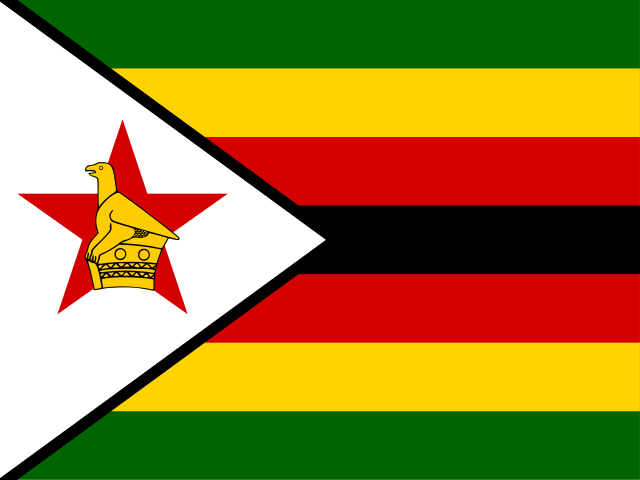
chiShona
snaShona is a Bantu language spoken by the majority of Zimbabweans as their first language and by many more as a second. It is one of the official languages named in Zimbabwe's constitution, alongside English, Ndebele and others, and it is taught throughout the school system. Shona is also spoken in central Mozambique, particularly in the provinces bordering Zimbabwe, and large Zimbabwean communities live in South Africa, the UK and further afield.
Standard Shona was developed to unify several related dialects into one written language. The main dialect clusters are Zezuru, around Harare and central Zimbabwe; Karanga, in the south around Masvingo; Korekore in the north; and Manyika in the east around Mutare. Ndau, spoken in the south-east and in Mozambique, is sometimes treated as part of Shona and sometimes as a separate language. The written standard is based mainly on Zezuru.
Shona is tonal, with high and low tones, but tone is not marked in ordinary writing. It has the noun-class system typical of Bantu languages: chiShona is the language, maShona or vaShona the people, and muShona one person.
Communities abroad are not shown. Point to an area to see its name.
Shona interpreters on site for appointments, hearings and meetings.
Secure video interpreting when people are in different places.
Telephone interpreting 24 hours a day, 365 days a year.
Certified Shona translation accepted by UK authorities.
Shona, or chiShona, is the first language of most Zimbabweans and a second language for many more. It is also spoken in central Mozambique and by large Zimbabwean communities in South Africa, the UK and further afield. SILA Linguists® provides Shona interpreting, translation and transcription for health services, mental health and social care teams, immigration and asylum hearings, courts, police and schools across Britain, North America, Australia and New Zealand, with Zezuru, Karanga, Manyika and Korekore speakers all catered for.
Many Zimbabweans speak excellent English, yet even fluent speakers often switch to Shona when describing symptoms, emotions or frightening events. That is why mental health assessments, safeguarding meetings, police interviews and immigration hearings so often need a Shona interpreter. Respect and indirectness are valued in Shona conversation, particularly towards elders, and our interpreters carry that tone into English without losing the substance.
Speakers of the main dialects understand one another well, so most of our Shona interpreters can work with clients from anywhere in Zimbabwe. A client from Manyika or Karanga areas may still appreciate an interpreter from a similar background, and Ndau speakers or Shona speakers from Mozambique may be better served by someone who knows their variety. We interpret face to face, by phone around the clock, and by video in the SILA Linguists® app or a secure platform of your choice, with consecutive and simultaneous interpreting for conferences, church events and training.
Modern standard Shona, built on a unified written form shared across the main dialects, uses the Latin alphabet without special characters. Our translators write standard Shona for general audiences and adapt to local usage for a particular community. Because tone is unmarked, some words look identical on the page, and careful wording resolves the ambiguity.
Zimbabwean birth certificates, school records and court papers are normally issued in English, so most certified Shona work concerns personal documents, letters, witness statements and messages. Each certified translation is signed to confirm its accuracy and is accepted by UK authorities such as the Home Office, the courts and universities, as well as by employers. We also translate NHS leaflets, school letters and public information into Shona.
Police interviews, voice notes, WhatsApp audio and research recordings in Shona are transcribed with timings marked and translated into English, with switches into English or Ndebele clearly marked. We can also subtitle community films and training videos.
Our vetted, trained and qualified Shona linguists can support NHS trusts, mental health and social care services, immigration and asylum representatives, courts and police, and schools. One project team handles every request, and confidentiality is protected by signed agreements and UK GDPR.
Choose a language to see its page. Getting the right variety matters: tell us the region or dialect if you know it.
Explore more african languages or see all languages A to Z.
Our bookings team will confirm the details with you and arrange the right linguist. Have the language (and dialect, if you know it), the type of assignment and the date ready.