
Face-to-face
Manx interpreters on site for appointments, hearings and meetings.
Manx (Gaelg) is the Celtic language of the Isle of Man, now being revived after the death of its last native speakers in the twentieth century. SILA Linguists provides Manx translation and interpreting for cultural, educational, heritage and ceremonial work.
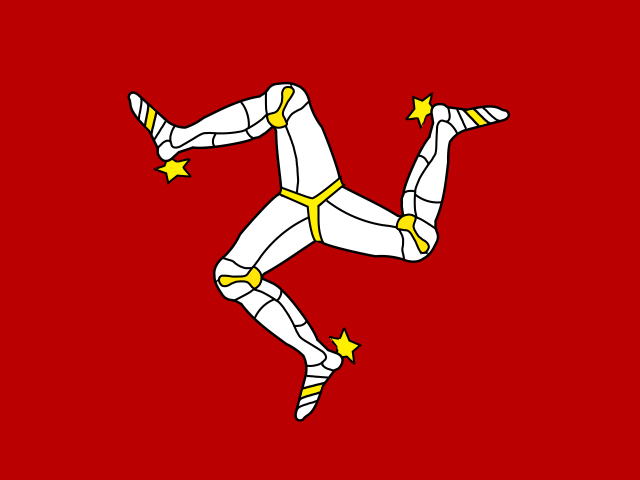
Gaelg
glvManx is a Goidelic Celtic language, closely related to Irish and Scottish Gaelic. It was the everyday language of the Isle of Man for centuries but declined sharply in the nineteenth and twentieth centuries. The last native speakers died in the twentieth century, and recordings made with them have been important for the revival.
Manx was once described as extinct, but speakers, including children taught through Manx, showed that it is very much alive. Today Manx is taught in Isle of Man schools, used at the Bunscoill Ghaelgagh (the Manx-medium primary school), supported by cultural organisations and the Isle of Man Government, and heard on Tynwald Day, when laws are proclaimed in Manx and English. A growing number of people on the island have some ability in the language.
Unlike Irish and Scottish Gaelic, Manx spelling is based on English and Welsh conventions from the early modern period, so the same words can look very different in the three languages.
Communities abroad are not shown. Point to an area to see its name.
Manx interpreters on site for appointments, hearings and meetings.
Secure video interpreting when people are in different places.
Telephone interpreting 24 hours a day, 365 days a year.
Certified Manx translation accepted by UK authorities.
Manx, Gaelg, is a Goidelic Celtic language, close to Irish and Scottish Gaelic, and was the everyday language of the Isle of Man for centuries before a sharp decline. Recordings of the last generation of native speakers have helped drive a revival, and today new speakers and children educated through Manx keep the language in use. SILA Linguists® supports Manx for cultural organisations, schools, archives and heritage projects, public signage and government communication, and broadcasters.
All Manx speakers also speak English, so interpreting is used for ceremonial and cultural events, broadcasting, education and research rather than for access to services. Speakers today include new speakers who learned as adults and children educated through Manx, and our interpreters are comfortable with the range of speech this produces.
We provide Manx with English for events, ceremonies, school occasions and Celtic-language gatherings, consecutively or simultaneously, and for remote sessions through the SILA Linguists® video app or the platform your service has approved. Researchers working with recordings of native speakers, or interviewing members of the revival community, can book interpreters familiar with both historic and contemporary Manx. For bilingual ceremonies we can also prepare the Manx and English versions of formal wording in advance.
Our Manx translators are prepared for signage, educational material, cultural texts, websites and ceremonial or official wording. They follow current usage and terminology agreed within the Manx-speaking community, and older texts, such as the Manx Bible, may use earlier spellings that we read and interpret accurately. Bilingual Manx and English layouts are planned carefully so both languages sit comfortably on signs, plaques and web pages. Place names on the island often have long-established Manx forms, and we check these against current local usage.
Certified translations from Manx into English carry a signed statement of accuracy and completeness, accepted by colleges, HR departments, the Home Office and other UK authorities, which can help with archive documents or family papers.
Archive recordings of native speakers are precious to the revival. We transcribe them with time codes, translate them into English and can prepare subtitled versions for learners, schools and exhibitions, as well as Manx subtitles for new broadcast and online content.
Our vetted, trained and qualified Manx linguists can support cultural organisations and events, Manx-medium and other schools, heritage bodies and archives, government and public bodies on the Isle of Man, and broadcasters and media producers. SILA Linguists® coordinates each project through one contact and works with Manx specialists who follow community terminology. Archive material is handled with care under confidentiality agreements and UK GDPR.
Choose a language to see its page. Getting the right variety matters: tell us the region or dialect if you know it.
Explore more european languages or see all languages A to Z.
Our bookings team will confirm the details with you and arrange the right linguist. Have the language (and dialect, if you know it), the type of assignment and the date ready.