
Face-to-face
Korean interpreters on site for appointments, hearings and meetings.
Korean is the language of both Koreas and of large communities in China, Japan, the US and beyond. We provide Korean interpreters and translators for business, legal and public-sector work.

한국어
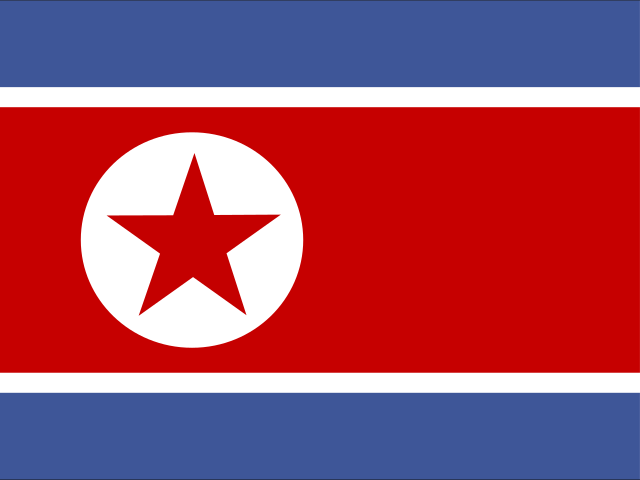
korKorean is the main member of the small Koreanic family; links with other families are unproven. It is the official language of South Korea and North Korea, and is spoken by ethnic Korean communities in China, Japan, Central Asia (where Koryo-mar is spoken) and the Americas. The South Korean standard is based on Seoul speech, and the North Korean standard on Pyongyang speech; they differ in some vocabulary, spelling rules and loanwords.
Korean grammar marks politeness through verb endings, and speakers choose among several speech levels depending on age, status and situation. Honorific vocabulary for actions and possessions of respected people adds another layer.
Korean vocabulary has three layers: native Korean words, Sino-Korean words derived from Chinese, and many recent loanwords from English. Sino-Korean terms dominate legal, medical and academic language, which affects how interpreters explain technical concepts to clients.
Communities abroad are not shown. Point to an area to see its name.
Korean interpreters on site for appointments, hearings and meetings.
Secure video interpreting when people are in different places.
Telephone interpreting 24 hours a day, 365 days a year.
Certified Korean translation accepted by UK authorities.
Korean business, technology and culture have a global reach, and SILA Linguists® supports it with Korean interpreting, translation and localisation for manufacturers, technology and gaming companies, universities, law firms and public services across the UK, North America, Australia, New Zealand and beyond. South Korean and North Korean standards differ in some vocabulary, spelling rules and loanwords, and ethnic Korean speakers from Yanbian in China have their own accent and terms. We ask about the speaker's background so that the interpreter's Korean sounds natural to them.
Korean grammar builds politeness into verb endings, and honorific vocabulary adds another layer for respected people. Our interpreters use polite and formal styles with clients and business partners, and adapt for children or informal settings. In corporate negotiations, factory visits and supplier audits, they understand the importance of seniority and formal introductions, which helps meetings run smoothly.
We provide consecutive interpreters for meetings and site visits, simultaneous and remote simultaneous interpreters (RSI) for conferences and product launches, and escort interpreters for travelling delegations. Public service work, including court hearings, immigration appointments, university welfare meetings and hospital consultations, is covered face to face, by telephone 24 hours a day, 365 days a year, or by video through the SILA Linguists® app or your preferred platform. Sino-Korean terms dominate legal and medical Korean, and our interpreters explain them clearly to clients.
Korean is written in Hangul syllable blocks with spaces between words, and hanja appear occasionally in legal, academic and older texts and in names. We translate South Korean family relation certificates, basic certificates, academic transcripts, contracts, patents and technical manuals, following the passport romanisation for names written family name first. Certified Korean translation carries our signed statement of accuracy, which the Home Office, the courts, universities and other UK authorities accept, as do employers. For Korean records going abroad we arrange the required certification: a certificate of accuracy for the US, a provincially certified translator for Canada or a NAATI-certified translator for Australia.
South Korean users expect South Korean terminology and conventions for dates, addresses and interface text, and our localisation team adapts games, apps, software, websites and marketing accordingly. We transcribe Korean meetings, interviews and media with time stamps, translate into English and create subtitles for entertainment, training and corporate film.
In asylum cases where a speaker's origin is in question, for example North Korea or the Korean community in north-east China, SILA Linguists® can arrange language analysis for the determination of origin (LADO).
Our vetted, trained and qualified Korean linguists can support automotive, shipbuilding, electronics and energy manufacturers, technology and gaming studios, universities, law firms, immigration advisers and healthcare providers. You work with one project team, vetted linguists bound by confidentiality agreements, and data handling that complies with UK GDPR. Korean interpreters can support business meetings, depositions, courts and hospitals in the US, Canada and Australia as well as in the UK.
Choose a language to see its page. Getting the right variety matters: tell us the region or dialect if you know it.
Explore more asian languages or see all languages A to Z.
Our bookings team will confirm the details with you and arrange the right linguist. Have the language (and dialect, if you know it), the type of assignment and the date ready.